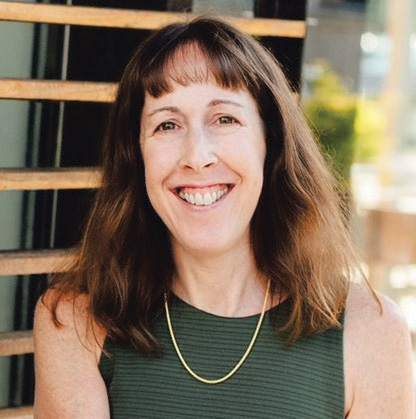
My Profile

Life does not always give us what we are expecting and can bring many challenges that make us question our ability to handle the pain. When Debbie’s oldest son, Alex, was diagnosed with schizoaffective disorder at age seventeen after being hospitalized for nearly a month and then became addicted to drugs and alcohol, she wasn’t prepared for how to deal with what she would be up against over the next nine years and the fear, anxiety, and grief she would experience. read more

When your teen or young adult has mental illness or addiction, one big thing you are going through is that life is much different than before.

Your child is much different than before. How they communicate, their moods, their expressions, their abilities.

Your relationship with them may be different too.

Grieving the loss of how your child was prior to illness and how life with them was, is an important process.

One that is needed in order to accept how things are now and enable you be in the best place you can be to deal with the challenges, support them, and have peace for yourself.

Like grieving any loss, there are stages you will go through-

  1. Shock/denial – in this early stage your state of shock can serve to help you cope with the loss
  2. Anger -in this stage you may ask “why me?” or blame others
  3. Sadness – here you feel the magnitude of your loss, and may  feel like no one else understands what you’re going through
  4. Acceptance -this doesn’t mean everything is okay, it is about learning to live with and adjust to the new normal
  5. Bargaining – this may involve bargaining with ourselves or a higher power and attempting to compromise; finding meaning
  6. Something new or meaningful – this may be challenging because you may wonder what good could possibly come from your current situation.

Many times people stop short of the last stage.  But when you create something new that is meaningful, you can become driven to move forward by this new meaning.  Sometimes this can be in the form of a spiritual awakening, finding life purpose/soul purpose, or deepening relationships with loved ones.  I believe this last stage of grief is critical to healing.

Can you relate to this?  Where are you in your journey?

Sending love and light,

Debbie

One of my favorite quotes is “where focus goes, energy flows” by Tony Robbins.

I love it because it empowers me with the ability to choose whether I will experience more negativity or more positivity based on where my focus is.

That way, I can focus my attention on what I want more of.

I can focus on things that will bring me inner-peace.

Or on things that will cause me fear.

And wherever my focus is, that is what will drive my emotions, my attention, my energy. And the more time that is spent on whatever I want or don’t want, the more energy will be directed there.

And this is empowering because while I don’t have control over what may or may not happen, I do have control over what I focus on.

For example, instead of spending energy on something that is not possible (such as controlling your teen or young adult child), you can spend your energy on loving them and loving you. Focusing on the love, not the fear.

What are you focusing on?

Sending love and light,

Debbie

Since I started as a coach, one thing I have noticed is that one of the biggest things holding people back is their mindset.

When they believe something they want isn’t possible for them, everything they say or do relates to how and why this thing won’t happen.

So by their actions or inactions, they continue to stay stuck in the result they do not want, because everything they are doing is in support of that.

This generally means they stay stuck in their pain.

Whether it’s emotional pain or physical pain, if they don’t believe anything else is possible, that belief ensures nothing else will be possible.

How does this impact you right now as a parent of a teen or young adult child with mental illness or addiction? Here are some examples…

For example, if you have been experiencing fear for a very long because of the situation with your child’s mental illness or addiction, this pattern of fear may become familiar to you. Each day you are consumed with what will happen next, what if they return to the hospital, what if they use drugs again…this can become your predominant state of thinking. You may begin to believe that you don’t have the ability to change this, and that in order for you to feel differently, something on the outside needs to change…that your child needs to change or their situation needs to change. You don’t consider that you could learn how to live in peace because you do not believe it is possible for you unless the outside world changes.

Another example, if you have been arguing with your child daily over taking their medications and it is affecting your relationship with them, you may believe that in order for the two of you to become close again that they need to take their medications first. Because you believe that something outside of you needs to change in order for you to have what you want (a more loving relationship) then you won’t consider things you could do to make having a closer relationship possible because you will be waiting for change outside of yourself to happen first.

Mindset can be very powerful. How you experience your world is based on your beliefs. Your beliefs are what give meaning to things. Your beliefs can keep you stuck thinking you cannot change how you feel.

But you can, because you can change your mindset. So your beliefs can empower you to move forward and experience a change.

Start with noticing whether there may be a belief you have which could be holding you back from experiencing less pain/more peace/more joy. If so, what it it?

Sending love and light,

Debbie