


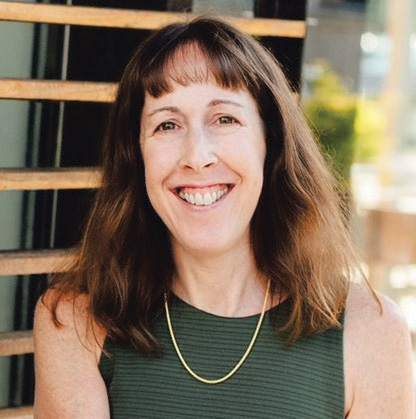
My Profile
Life does not always give us what we are expecting and can bring many challenges that make us question our ability to handle the pain. When Debbie’s oldest son, Alex, was diagnosed with schizoaffective disorder at age seventeen after being hospitalized for nearly a month and then became addicted to drugs and alcohol, she wasn’t prepared for how to deal with what she would be up against over the next nine years and the fear, anxiety, and grief she would experience. read more
Last night I had a great conversation on my show. One thing we discussed is that you are not your pain, that this is not your identity.
When you are a parent of a teen or adult child with mental illness or addiction, this is so important to remember in regard to yourself and your child.
Your identity is not that of a parent who has a child with mental illness or addiction. You may have a child with these things and you may be in a great amount of pain over it, but that is not your identity. You are so much more than that.
Your child is not their illness or their addiction. Who they are is different from what they do, choices they make, illnesses they suffer from. They are so much more than their illness or addiction.
If you allow these things to become your identity, your experiences will be limited by this identity and you will miss out on the whole person your child is and the whole person you are.
If you are looking for coaching support on your journey as a parent of a son or daughter with mental illness or addiction or in your journey of grief after losing your child, I am here to help. To learn more, the link is in the comments.
Sending love and light,
Debbie
Judgment of ourselves can be something we do without even realizing it.
It can come in the form of judging our feelings. For example, you feel angry years after your child was diagnosed with mental illness or became addicted to drugs and you are judging your feelings in that you think you should no longer be angry.
It can come in the form of blame. For example you blame yourself because you couldn’t prevent your teen or adult child from using drugs.
Or you are judging your progress in grief, thinking you should be further along in your grief after losing your child or after grieving the life you thought you would have with your child who was diagnosed with mental illness or substance abuse.
We judge our feelings and our actions/inactions.
But how many times would you judge your best friend in this way?
We can be our own harshest critics.
When you can become aware of the areas you are judging yourself, ask yourself, what would you say to your best friend in the same situation?
Become your own best friend and treat yourself with the kindness you would treat your best friend.
If you are you struggling with the challenges of having a son or daughter with mental illness/addiction or grieving the loss of a child, I am here to support you on your journey of finding peace beyond the pain. Reach out to me to find out more.
Sending love and light,
Debbie
If you have a teen or adult child with mental illness and/or addiction, you may at times experience their anger directed at you.
I don’t want you to internalize that. Their anger likely has nothing to do with you.
It can be anger at their illness, addiction, life circumstances, difficulties and hardships related to their illness.
These things have nothing to do with you.
When they are angry, if they internalize the anger, holding it inside, they may blame themselves or others. And their illness likely makes it more difficult to process the anger.
As a parent, you may also find yourself dealing with anger through blame. For example, you may blame yourself for your child’s illness or addiction, or you may blame your child.
It’s important to remember that their illness is not your fault or theirs.
Blame can divide. Compassion can unite.
So next time you feel angry, examine whether you are directing blame towards yourself or your child, and remind yourself that neither of you are to blame and that they, just like you, do not want this predicament and didn’t ask for it. Instead, tap into your compassion for what they are having to endure.
Sending love and light,
Debbie
Are you struggling with the challenges of having a son or daughter with mental illness or addiction and looking for support? To find out more about how my one-on-one coaching support can help, the link is in the comments.